History of the Tribal College Movement
Before 1973
Foundations: Education, Sovereignty, and Self Determination
For generations, American Indian education was shaped by federal policies designed to assimilate Native peoples rather than serve Tribal Nations. Boarding schools and externally controlled institutions disrupted languages, cultures, and community ties, while limiting access to higher education rooted in Native knowledge and values.
Despite these conditions, Tribal leaders consistently viewed education as a path toward sovereignty, cultural preservation, and collective survival. By the mid-20th century, Native communities were articulating a clear vision: higher education must be Tribally controlled, community-centered, and accountable to Tribal Nations themselves.
This vision laid the groundwork for a national movement.
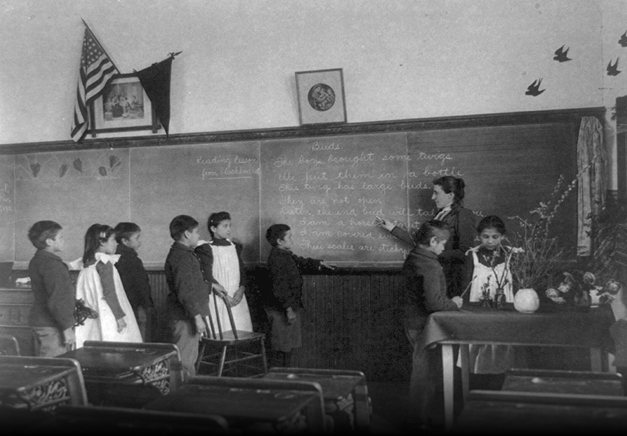
Boarding schools like the Carlisle Industrial School removed Native children from their Tribal communities in an effort to assimilate them into mainstream American society.
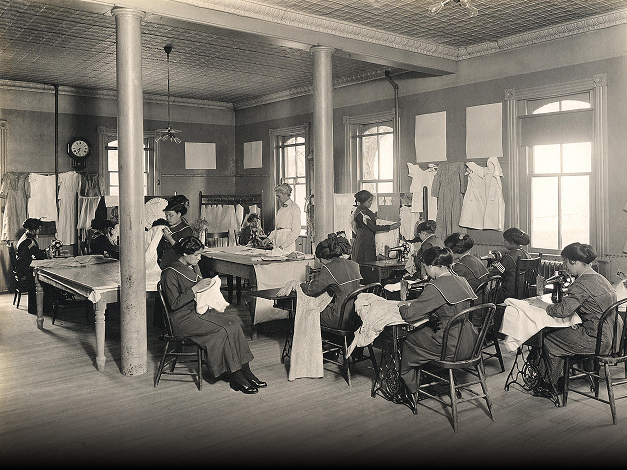
The Office of Indian Affairs established the Genoa Indian School of Nebraska in 1884. Like most boarding schools, Genoa focused on industrial education.
1973-1980
The Birth of AIHEC and the Tribal College Movement
In 1973, leaders from the nation’s first Tribal Colleges came together to form the American Indian Higher Education Consortium (AIHEC). The Consortium was created to unify Tribal Colleges, strengthen collaboration, and advocate for sustainable funding and federal recognition.
That same year, initial philanthropic support enabled AIHEC to establish an office in Denver, providing a foundation for national coordination, policy engagement, and shared leadership development.
AIHEC emerged not only as a support organization, but as a collective voice advancing Tribally controlled higher education as an expression of sovereignty.
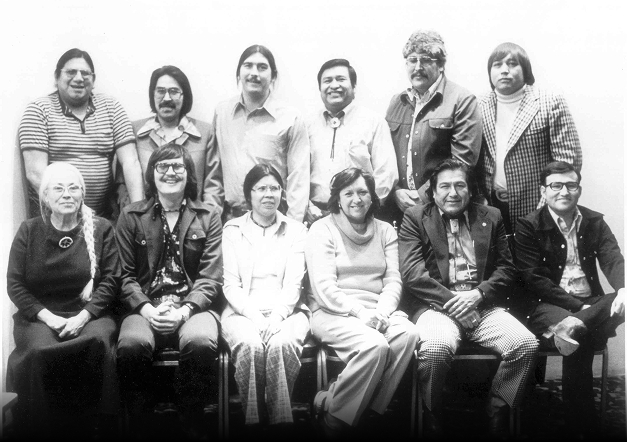
Established in 1973 as the unifying body of America’s Tribal Colleges and Universities, AIHEC was and remains governed by a board of directors consisting of Tribal College presidents.
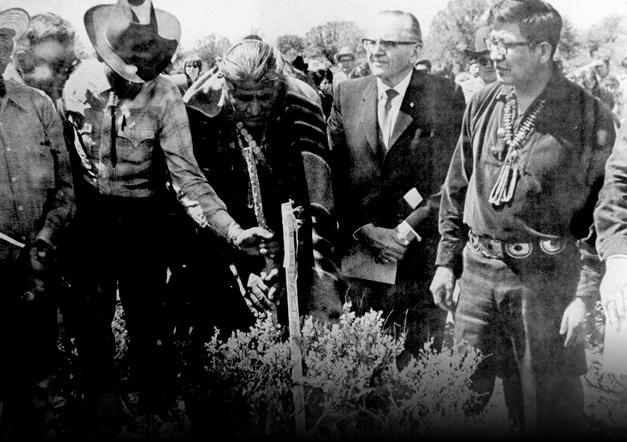
In 1968, the Navajo Nation chartered America’s first Tribal College, Navajo Community College (now Diné College). Here, medicine people, Tribal leaders, and lawmakers join together for the groundbreaking of the college’s main campus in Tsaile, Arizona.
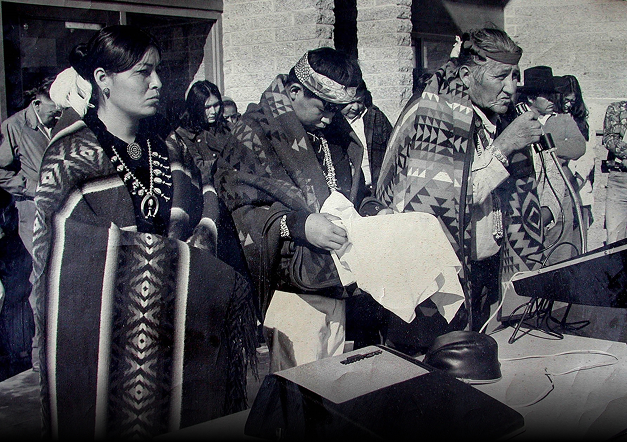
Medicine people and cultural leaders play an integral role at all Tribal Colleges. Here, they lead the dedication of the Ned Hatathli Center at Diné College.
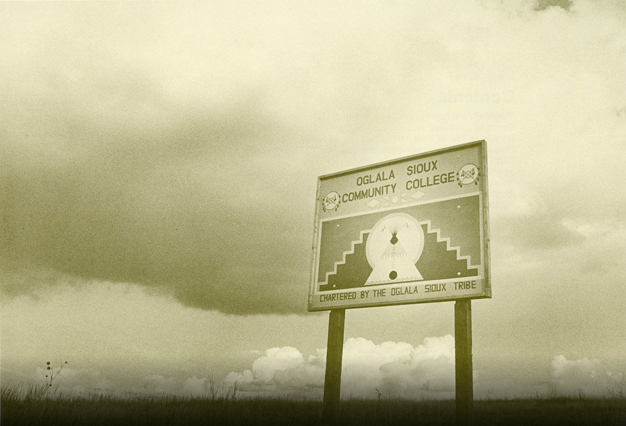
Oglala Sioux Community College (now Oglala Lakota College) on the Pine Ridge reservation in South Dakota was one of the original six Tribal Colleges that founded AIHEC.
Late 1970s–1990s
Advocacy, Growth, and Federal Recognition
As Tribal Colleges expanded, AIHEC played a central role in advocating for policies that recognized their legitimacy and importance. Early priorities included curriculum development, accreditation support, institutional capacity building, and research aligned with community needs.
By the mid-1970s, federal funding pathways began to take shape through congressional appropriations, marking a critical step toward long-term sustainability. Over the following decades, AIHEC helped advance landmark legislation supporting self-determination and Tribal higher education, including federal recognition and land-grant status for Tribal Colleges.
These milestones strengthened Tribal Colleges as enduring institutions while maintaining Tribal governance and cultural accountability.
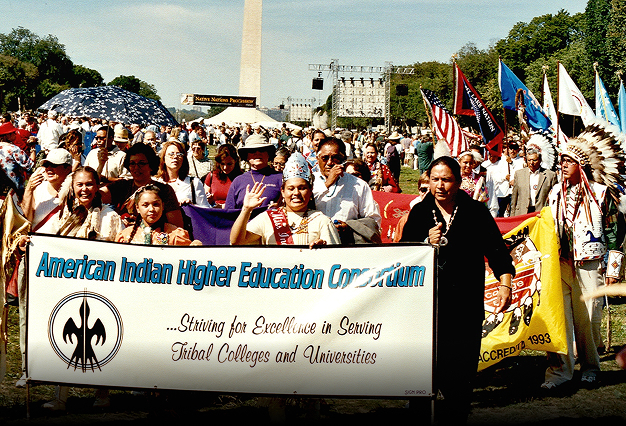
In 2004, Tribal College students, faculty, and staff turned out in Washington, DC for the grand opening of the National Museum of the American Indian.
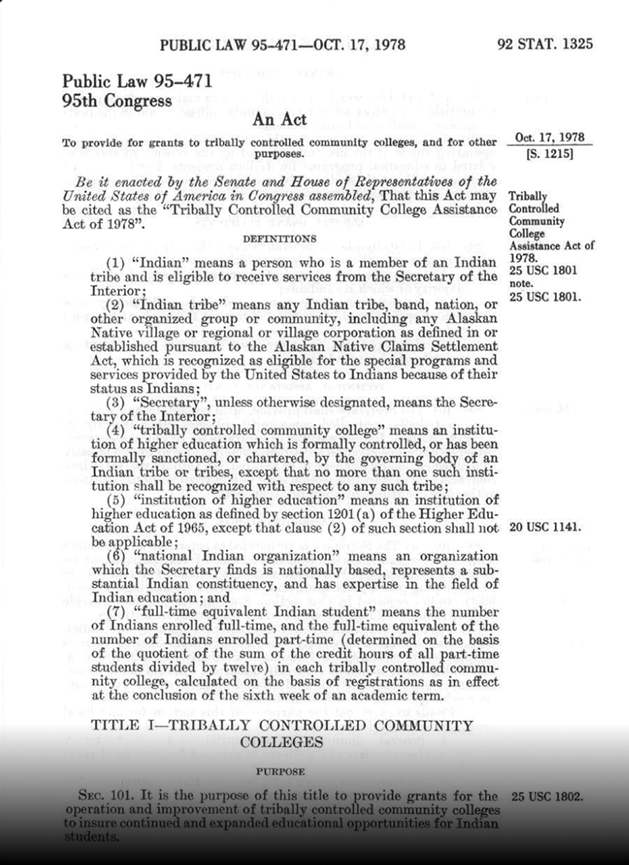
TCU leaders worked tirelessly to secure passage of the Tribally Controlled Community College Assistance Act of 1978, the chief funding mechanism for America’s Tribal Colleges and Universities.
2000s–Present
AIHEC Today: A National Network Rooted in Community
Today, AIHEC represents 35 accredited and two developing Tribal Colleges and Universities (TCUs) across the United States. Together, these institutions prepare the next generation of Tribal leaders, educators, health care professionals, scientists, artists, entrepreneurs, and public servants, while serving as cultural anchors, economic engines, and centers for language revitalization, leadership development, and community-based research.
AIHEC continues to strengthen its member institutions through technical assistance, professional development, national convenings,and collaborative initiatives that build institutional capacity and support student success. More than 50 years after its founding, AIHEC remains committed to the vision, ensuring that TCUs remain responsive to the needs of their communities while shaping the future of higher education.
What began as a response to exclusion has become a lasting framework for education rooted in sovereignty, resilience, and self-determination.
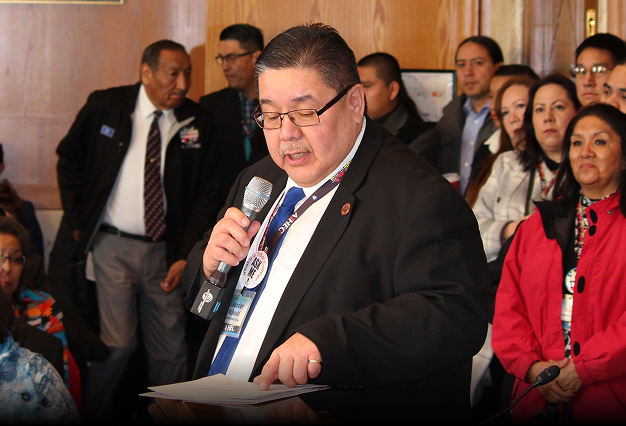
United Tribes Technical College president, Leander “Russ” McDonald, presents Tribal College priorities before the Senate Committee on Indian Affairs during AIHEC’s legislative summit.
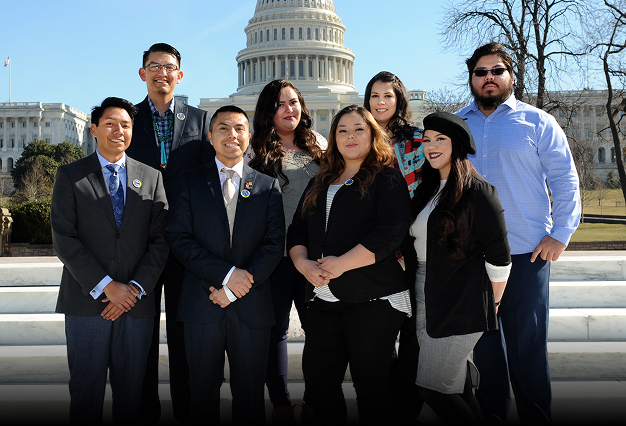
Tribal college students play a central role during AIHEC’s annual legislative summit. Here, officers from the AIHEC Student Congress meet before visiting their respective Congressional delegations.
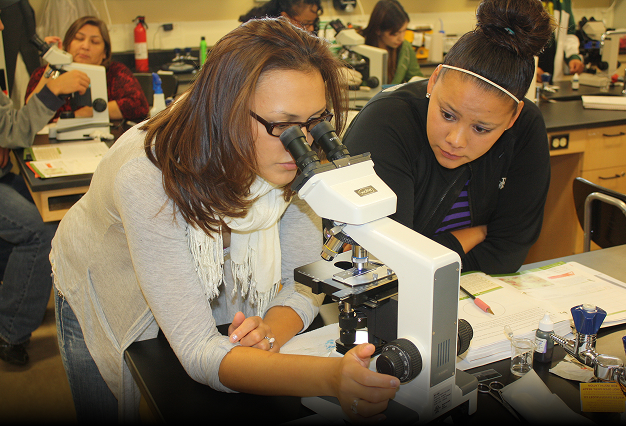
At Blackfeet Community College, faculty worked with students partaking in the Montana Space Grant Consortium.
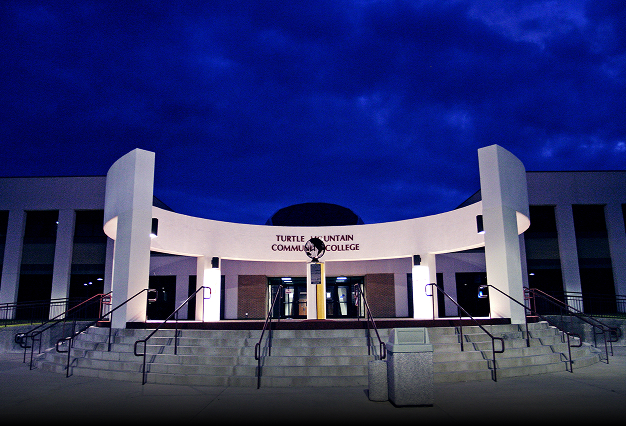
North Dakota is home to five Tribal Colleges, including one of the “original six”: Turtle Mountain College.
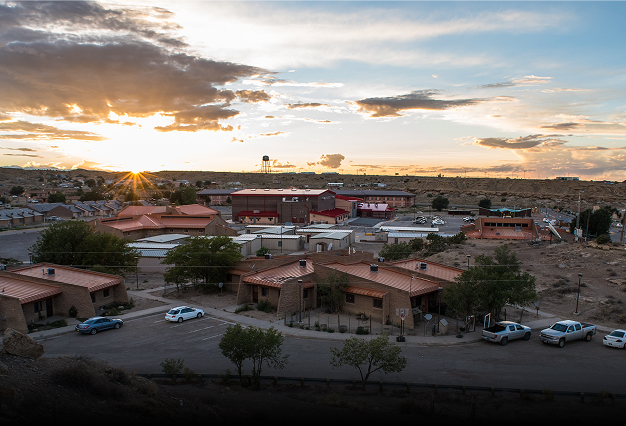
Founded as the Navajo Skills Center in 1979, Navajo Technical University in Crownpoint, New Mexico, is one of the largest TCUs today, offering myriad baccalaureate and graduate degrees including a PhD in Diné culture and language sustainability.
Boarding schools like the Carlisle Industrial School removed Native children from their Tribal communities in an effort to assimilate them into mainstream American society.
The Office of Indian Affairs established the Genoa Indian School of Nebraska in 1884. Like most boarding schools, Genoa focused on industrial education.
Before 1973
Foundations: Education, Sovereignty, and Self Determination
For generations, American Indian education was shaped by federal policies designed to assimilate Native peoples rather than serve Tribal Nations. Boarding schools and externally controlled institutions disrupted languages, cultures, and community ties, while limiting access to higher education rooted in Native knowledge and values.
Despite these conditions, Tribal leaders consistently viewed education as a path toward sovereignty, cultural preservation, and collective survival. By the mid-20th century, Native communities were articulating a clear vision: higher education must be Tribally controlled, community-centered, and accountable to Tribal Nations themselves.
This vision laid the groundwork for a national movement.
1973-1980
The Birth of AIHEC and the Tribal College Movement
In 1973, leaders from the nation’s first Tribal Colleges came together to form the American Indian Higher Education Consortium (AIHEC). The Consortium was created to unify Tribal Colleges, strengthen collaboration, and advocate for sustainable funding and federal recognition.
That same year, initial philanthropic support enabled AIHEC to establish an office in Denver, providing a foundation for national coordination, policy engagement, and shared leadership development.
AIHEC emerged not only as a support organization, but as a collective voice advancing Tribally controlled higher education as an expression of sovereignty.
Established in 1973 as the unifying body of America’s Tribal Colleges and Universities, AIHEC was and remains governed by a board of directors consisting of Tribal College presidents.
In 1968, the Navajo Nation chartered America’s first Tribal College, Navajo Community College (now Diné College). Here, medicine people, Tribal leaders, and lawmakers join together for the groundbreaking of the college’s main campus in Tsaile, Arizona.
Medicine people and cultural leaders play an integral role at all Tribal Colleges. Here, they lead the dedication of the Ned Hatathli Center at Diné College.
Oglala Sioux Community College (now Oglala Lakota College) on the Pine Ridge reservation in South Dakota was one of the original six Tribal Colleges that founded AIHEC.
In 2004, Tribal College students, faculty, and staff turned out in Washington, DC for the grand opening of the National Museum of the American Indian.
TCU leaders worked tirelessly to secure passage of the Tribally Controlled Community College Assistance Act of 1978, the chief funding mechanism for America’s Tribal Colleges and Universities.
Late 1970s–1990s
Advocacy, Growth, and Federal Recognition
As Tribal Colleges expanded, AIHEC played a central role in advocating for policies that recognized their legitimacy and importance. Early priorities included curriculum development, accreditation support, institutional capacity building, and research aligned with community needs.
By the mid-1970s, federal funding pathways began to take shape through congressional appropriations, marking a critical step toward long-term sustainability. Over the following decades, AIHEC helped advance landmark legislation supporting self-determination and Tribal higher education, including federal recognition and land-grant status for Tribal Colleges.
These milestones strengthened Tribal Colleges as enduring institutions while maintaining Tribal governance and cultural accountability.
2000s–Present
AIHEC Today: A National Network Rooted in Community
Today, AIHEC represents 35 accredited and two developing Tribal Colleges and Universities (TCUs) across the United States. Together, these institutions prepare the next generation of Tribal leaders, educators, health care professionals, scientists, artists, entrepreneurs, and public servants, while serving as cultural anchors, economic engines, and centers for language revitalization, leadership development, and community-based research.
AIHEC continues to strengthen its member institutions through technical assistance, professional development, national convenings,and collaborative initiatives that build institutional capacity and support student success. More than 50 years after its founding, AIHEC remains committed to the vision, ensuring that TCUs remain responsive to the needs of their communities while shaping the future of higher education.
What began as a response to exclusion has become a lasting framework for education rooted in sovereignty, resilience, and self-determination.
United Tribes Technical College president, Leander “Russ” McDonald, presents Tribal College priorities before the Senate Committee on Indian Affairs during AIHEC’s legislative summit.
Tribal college students play a central role during AIHEC’s annual legislative summit. Here, officers from the AIHEC Student Congress meet before visiting their respective Congressional delegations.
At Blackfeet Community College, faculty worked with students partaking in the Montana Space Grant Consortium.
North Dakota is home to five Tribal Colleges, including one of the “original six”: Turtle Mountain College.
Founded as the Navajo Skills Center in 1979, Navajo Technical University in Crownpoint, New Mexico, is one of the largest TCUs today, offering myriad baccalaureate and graduate degrees including a PhD in Diné culture and language sustainability.